
Your gateway to timeshare in India


All India Resort Development Association

Industry Awareness Feature
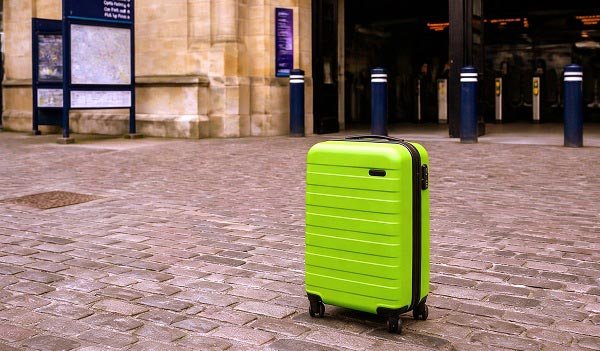
Somewhere in Japan, an empty suitcase sits in solitude - not stolen, not misplaced, but simply discarded. Its story remains unfinished, looking sturdy enough to travel another thousand miles. The growing challenges associated with discarded luggage send out a signal that this is clearly a global issue, with few avenues for relocation or reuse.

The discarded suitcase story was first reported in Osaka’s Minami district, where hotels faced growing inventories of bags left behind. In tourism circles, it reflects a habit of convenience, where tourists leave behind what no longer serves them, resulting in a growing crisis of disposal.
Yet in resource‑constrained countries, the story unfolds differently; luggage is rarely discarded. It becomes storage for old clothes, a chest for memories, or simply what it was meant to be - a companion for journeys. This growing crisis of disposal is where stewardship should step in.
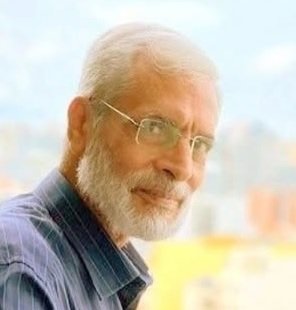 But what if we relocated or restored, instead of discarding? Ebrahim Akhtar, a veteran in airline baggage restoration, offers rare insight into what abandonment means - and what stewardship could look like. His decades of experience repairing suitcases damaged in airline transit provide a perspective few others can share.
Q: What is your response when you see suitcases abandoned in tourist districts? It hurts to see them left behind. A suitcase is never just a shell - it’s a companion that has traveled miles. Every wheel, every lock, every seam is part of a design meant to endure. When I see bags discarded, I don’t see waste, I see a failure to imagine repair - a missed chance to extend a journey.
Q: Why do you think repair is so often overlooked in tourism? Passengers want quick solutions, and airlines want practical fixes. Repair demands patience and precision - qualities that are rare in today’s fast-paced world of tourism. In my workshop, I never believed in patchwork. If a wheel housing was cracked, the frame needed realignment. If one lock failed, both locks had to be replaced. That level of skill, craft, and execution rarely fits today’s tourism model, where replacement feels easier than stewardship.

Q: What lessons can hospitality networks draw from your experience? Partnerships are key. Airlines, hotels, and NGOs could create channels for abandoned luggage - repairing, repurposing, or redirecting it to communities in need. I’ve seen bags restored to near‑original standards. Imagine if those bags were given to students, families, or travelers who couldn’t afford new ones. Stewardship is not charity - it’s responsibility.

Q: Do you believe abandoned luggage can carry hope again? Absolutely. I’ve restored bags that have clocked 25,000 miles over 25 years. They became symbols of endurance. If hospitality embraced stewardship, even forgotten luggage could travel further than its owner ever imagined. Every suitcase left behind is an opportunity to demonstrate that tourism can be regenerative, not wasteful.
The suitcase in Osaka becomes a mirror of our times. It speaks of journeys cut short, of objects designed to endure but treated as disposable, of opportunities overlooked in the rush of convenience. In its stillness, it asks us to reconsider not just how we travel, but how we value what we leave behind.
Through voices like Ebrahim Akhtar’s, we are reminded that repair is not just revival — it is ethical. Stewardship begins when hospitality sees value in what others overlook. And in that shift, even a forgotten suitcase can carry hope again.
(This feature was based on publicly available media stories.)
Links to other stories related to Ebrahim Akhtar’s “repair, not replace” mission.
Conversations with Ebrahim Akhtar, airline baggage restoration expert.
Airline Baggage Restoration / A 70-Plus Veteran Explains
Useful Links
Image Credits: Sourced using a Freepik paid account. Images used in this article are for illustrative purposes
only and do not constitute an endorsement of any specific products, services, or offers from our members or affiliates.
 Virtual Tours
Welcome to AIRDA's virtual tours gallery - an initiative to provide an enhanced visual experience of our member properties.


 Membership
What does an AIRDA membership mean to resort owners and developers? AIRDA comes in as your industry partner, conscience keeper and business catalyst - with a wide portfolio of support services.
What does AIRDA mean to holiday seekers and prospective customers? AIRDA comes in to provide information and offer guidelines on making the right timeshare decisions.
